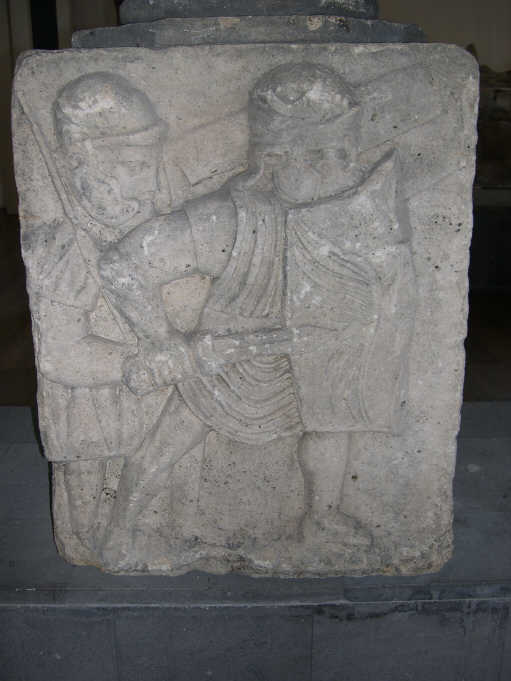
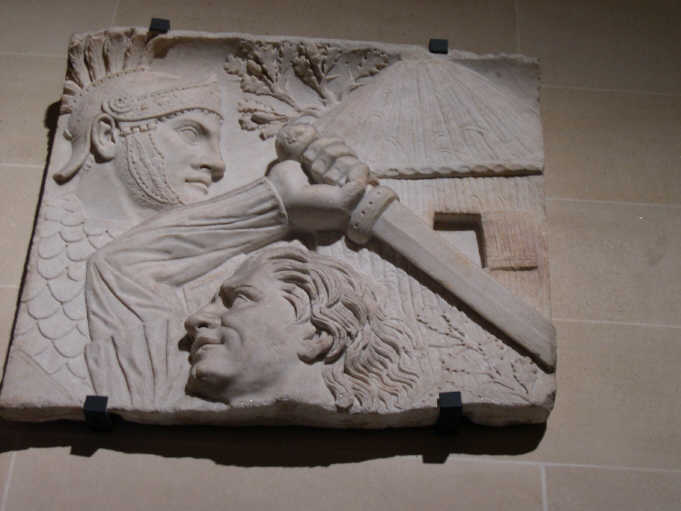
 Roman Military Equipment
Roman Offensive Weapons:
The Sword (Gladius and Spatha)
see also section for Sword
Belt / Cingulum / Balteus , Dagger/Pugio,
Lance
/ Spear / Pilum, and in the Reconstruction
Section
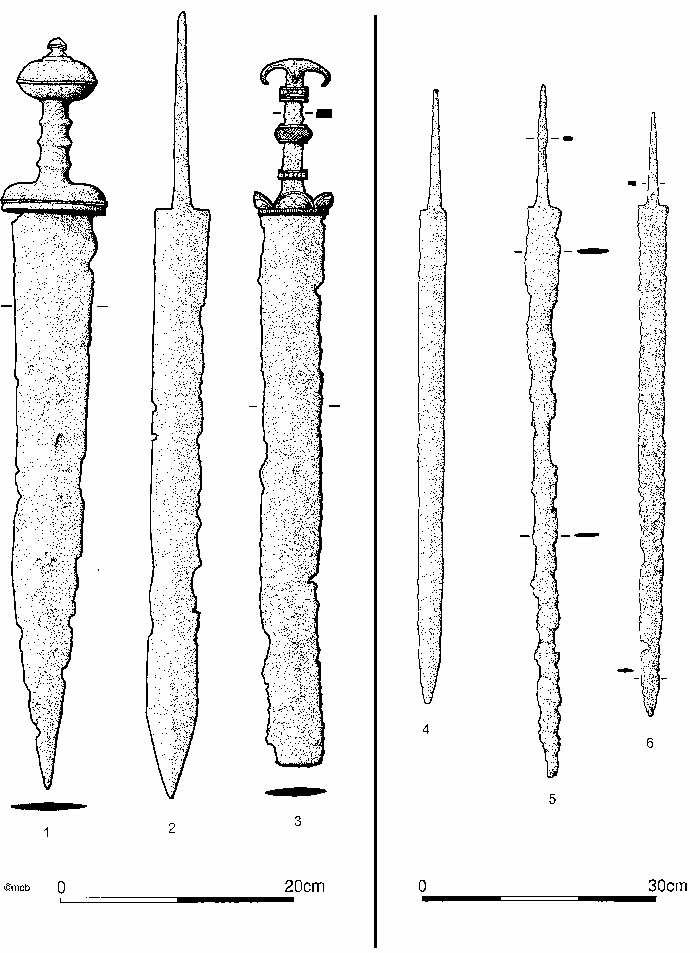
The "classical" Roman short sword is called gladius and thought to be of Spanish origin, typical length up to ca. 55 cms. The two main types are the earlier gladius hispaniensis / Mainz with a short blade, broad towards the handle, while the later type Pompeianus / Pompeii (used from ~ the middle of the first centur AD) shows parallel cutting edges and a triangular tip (the pompeianus type gladius this is the gladius we know so well from Hollywood and Asterix). Ideal for close combat in well organized ranks and for "point" attacks.
The longer sword initially used by the cavalry is called the Spatha. It seems that from the 3rd century onwards the cavalry also used the longer sword, and the short gladius ideal for infantry fighting in closed ranks became obsolete.
Click here to get to...
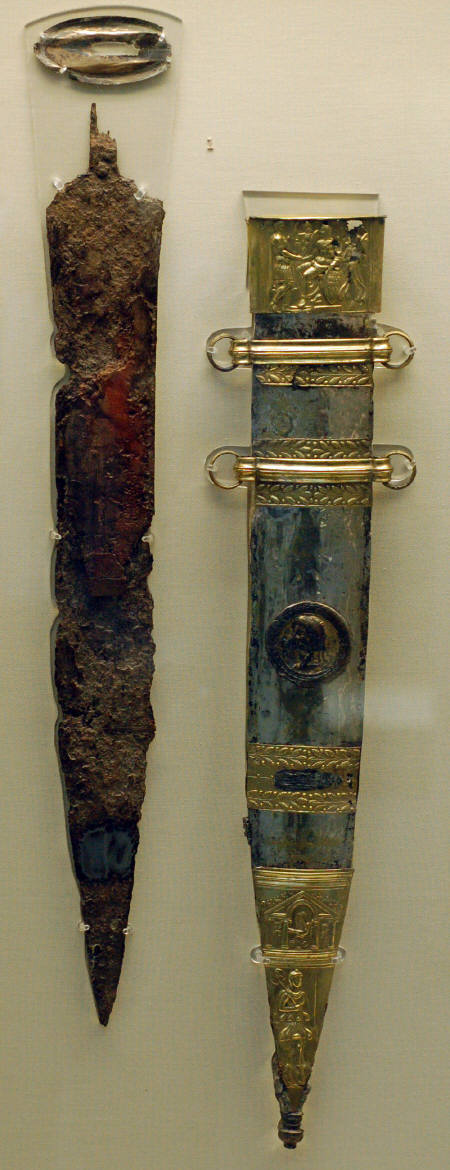
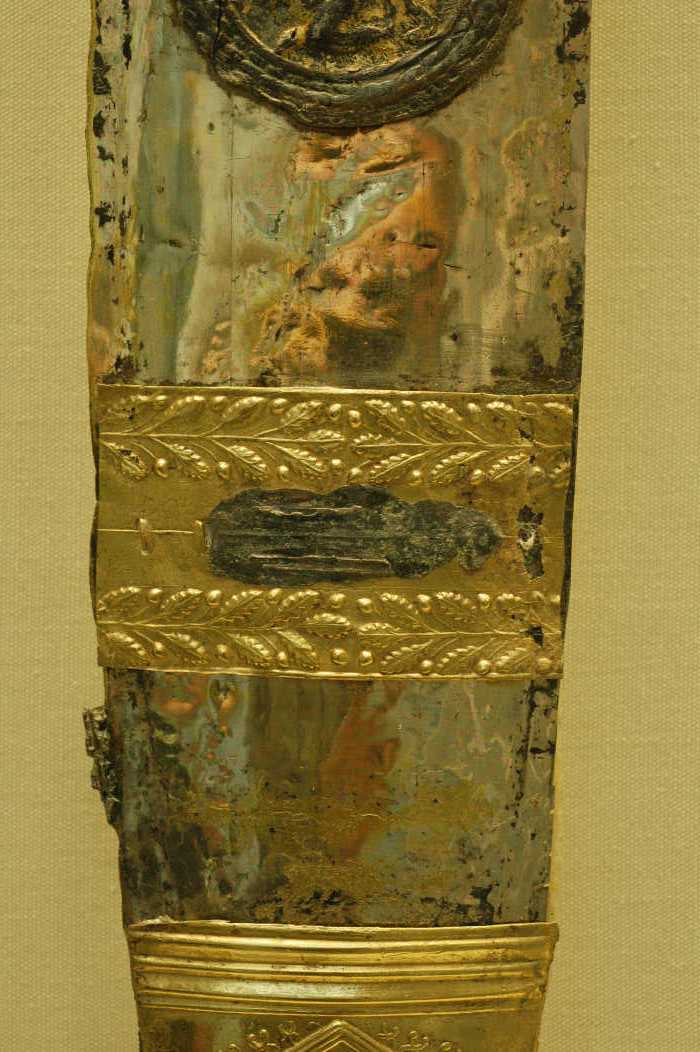
Gladius Hispaniensis (Mainz and Fulham Types)To the left: The most famous Mainz
type example was found
in Mainz (nomen est omen) in the River Rhine, and is now in
the British
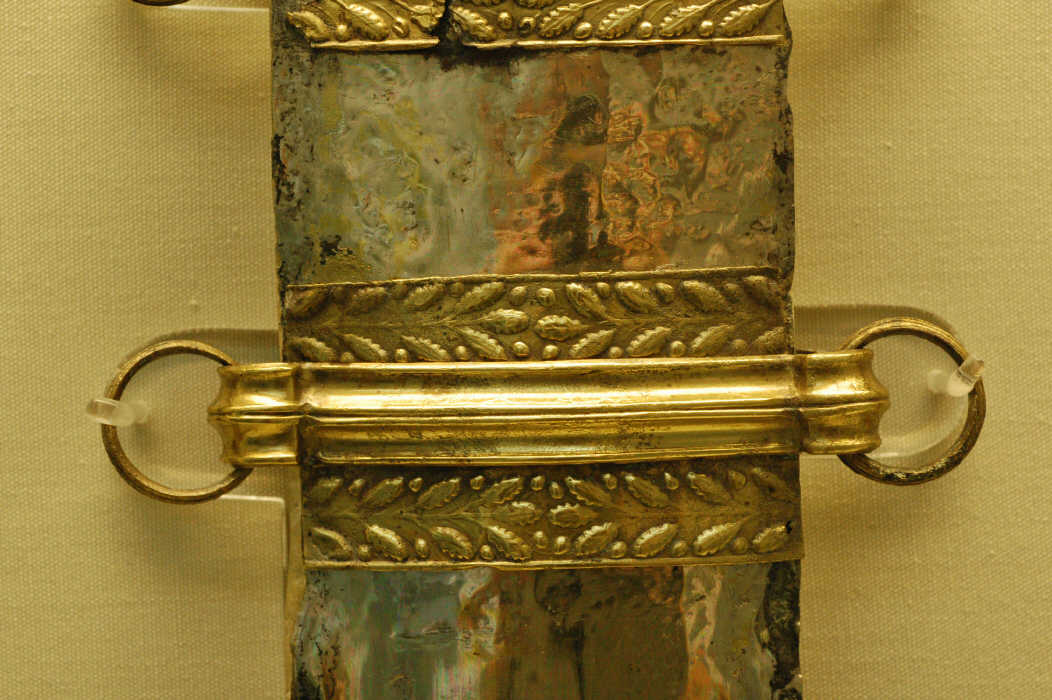
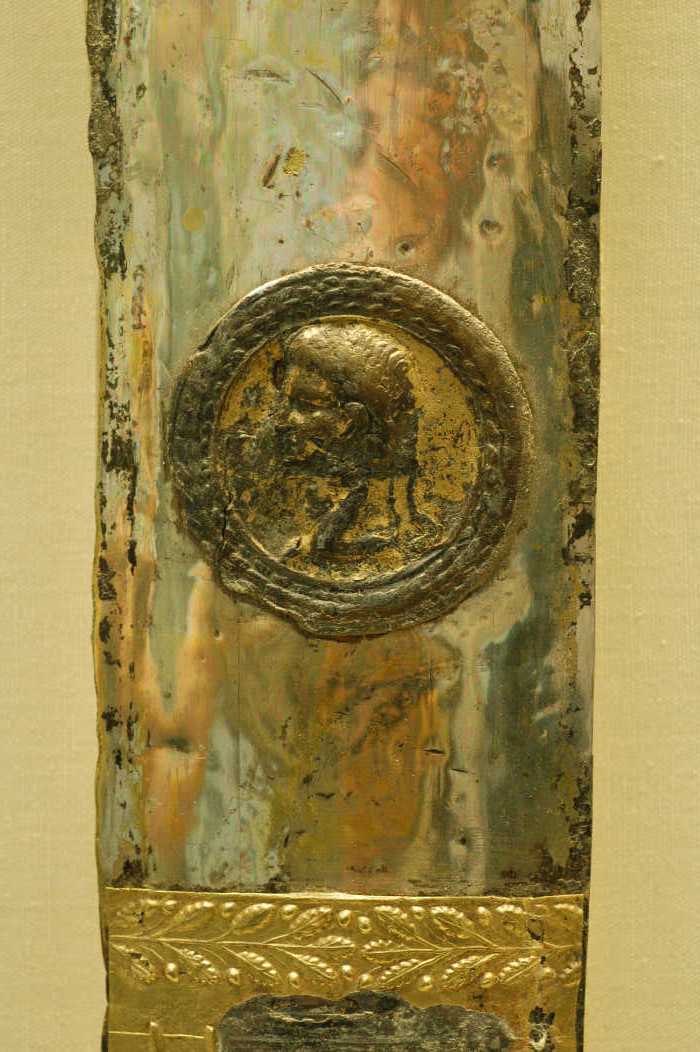
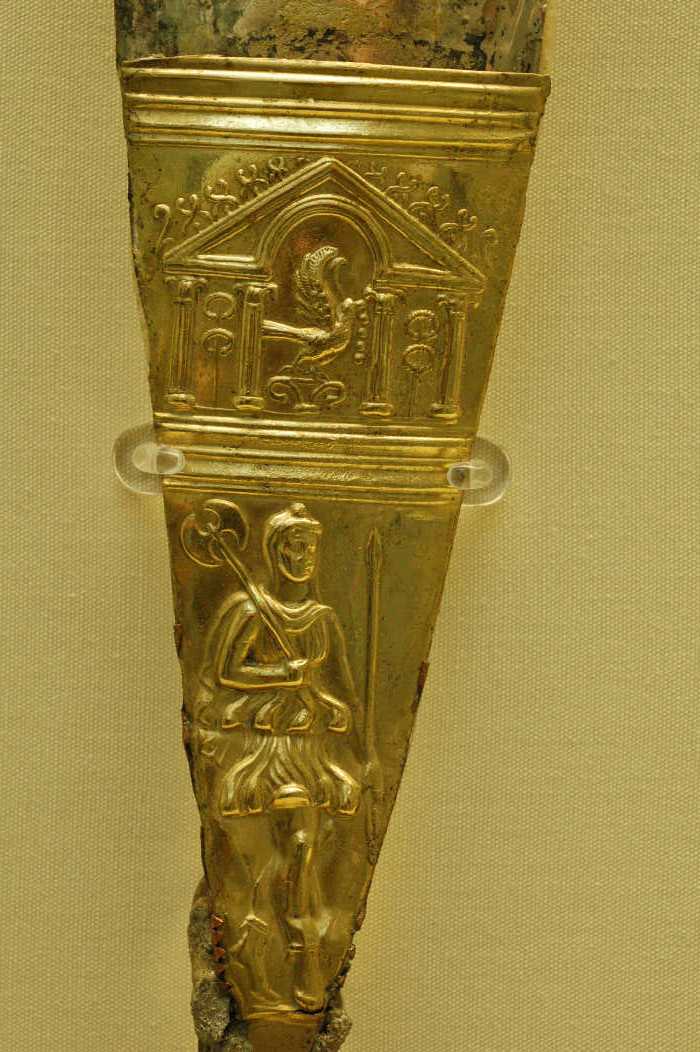
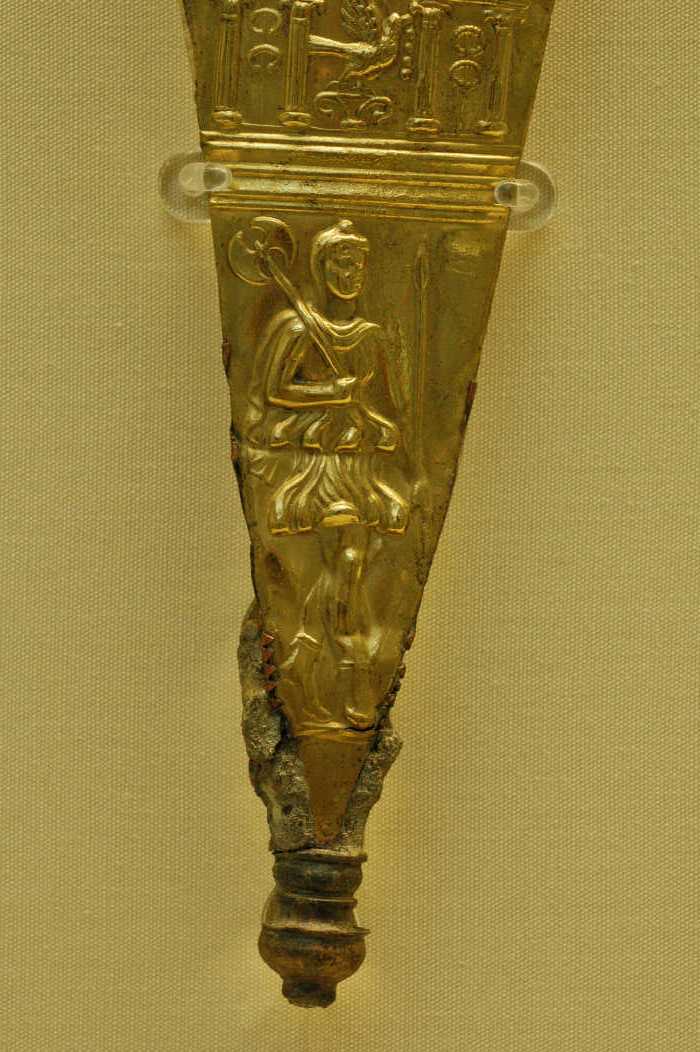
Museum, London: The so called Sword of Tiberius.
Highly decorated
and thus likely for an office.
To the right: The Fulham Sword
(found in Fulham, UK)
and also in the British Museum is an example of a subtype of the Mainz
gladius, with a blade that is somewhat more "waisted" in the middle
part
of the blade. (Image also shows one of few known shield bosses of the
rectangular
legionary shield). Like the Mainz gladius, the Fulham has a long point.

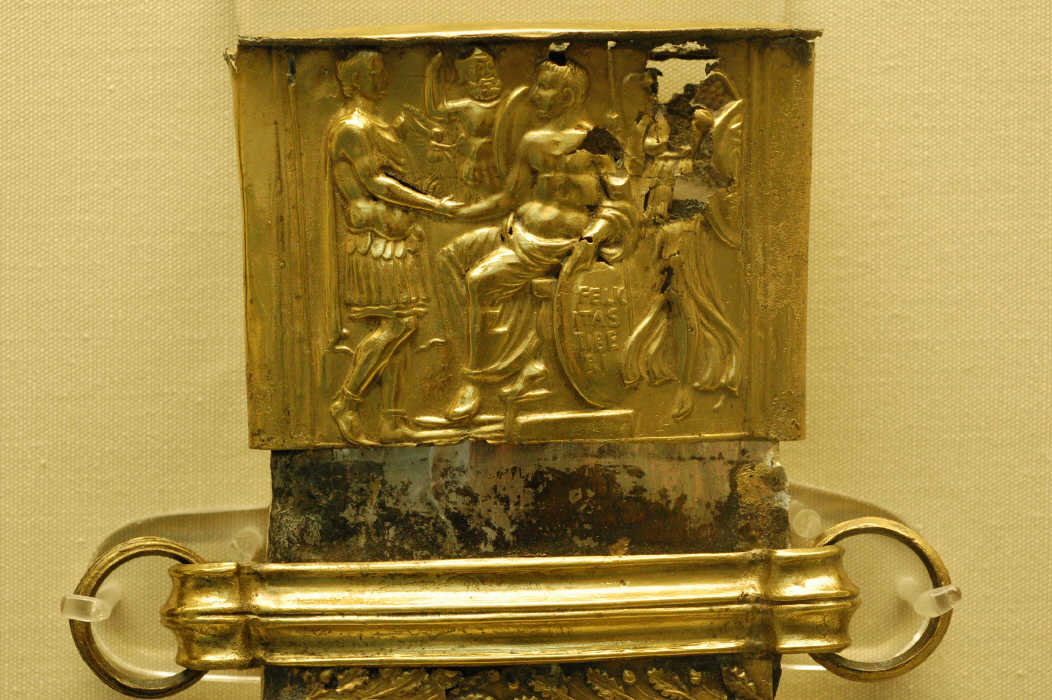
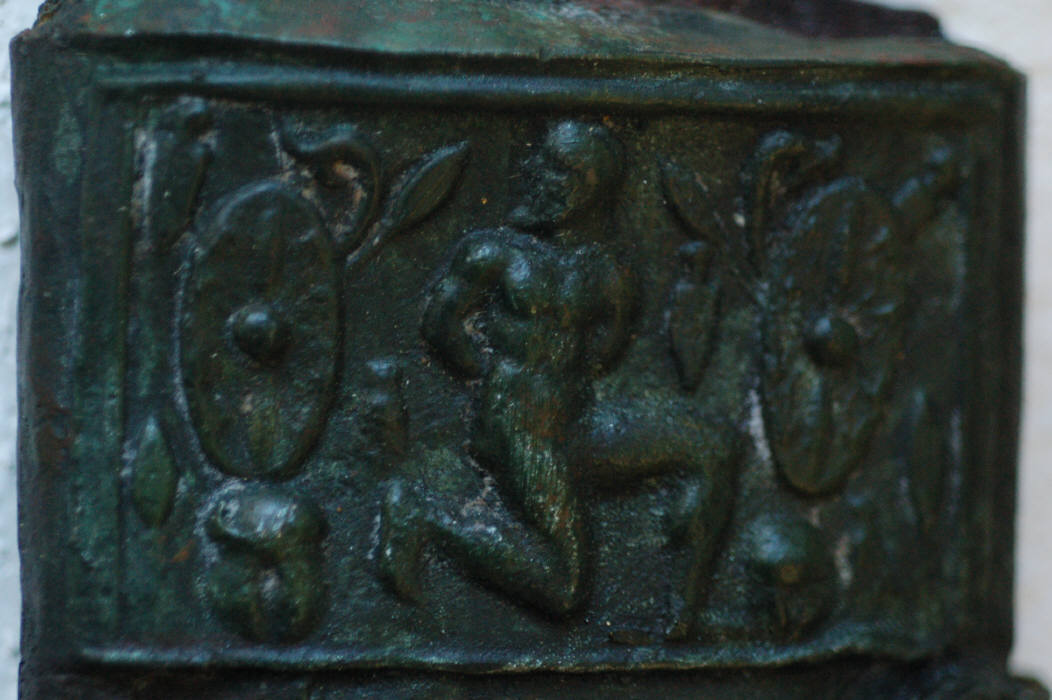
more details of the Sword of Tiberius decoration...
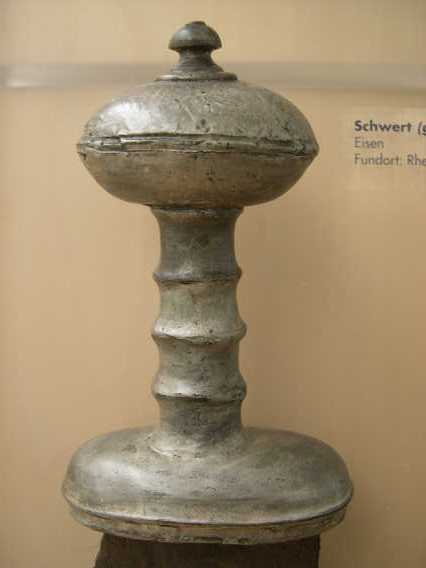
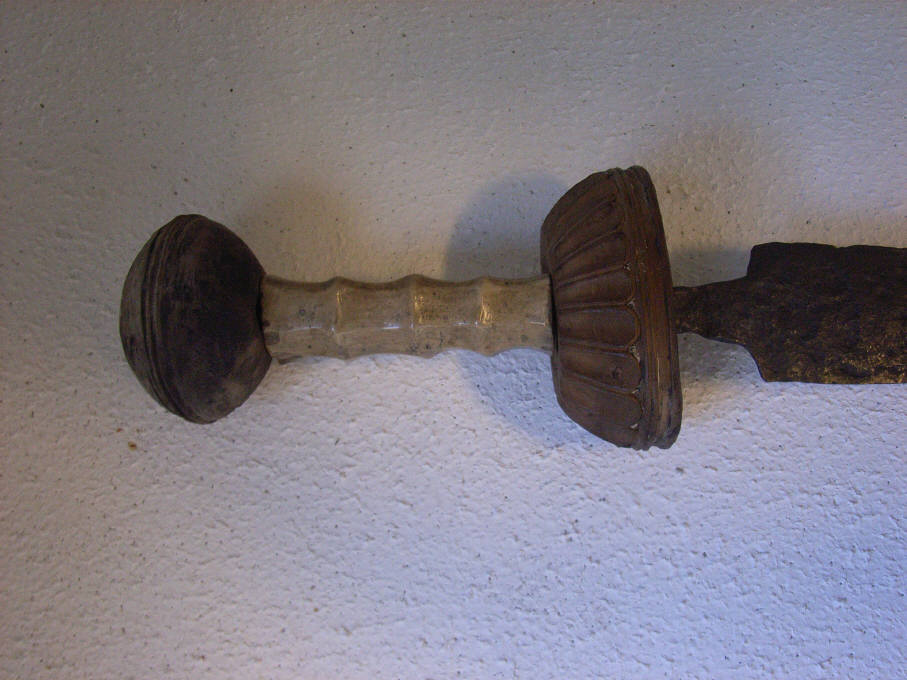
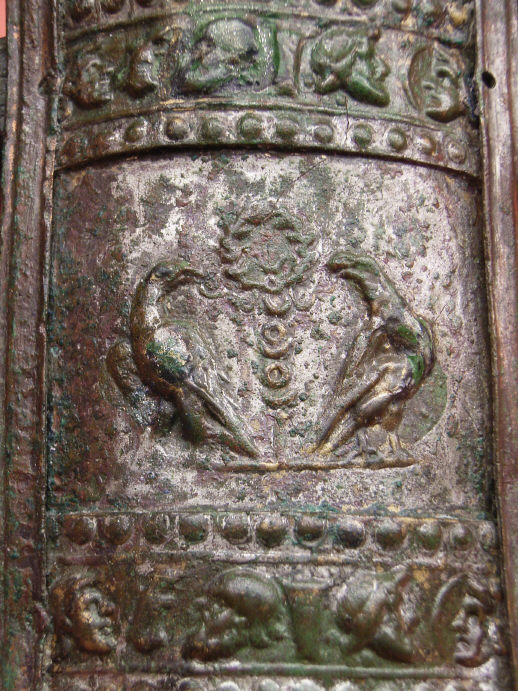
Gladius hispaniensis type Mainz (Speyer Museum), with silver
covered
handle

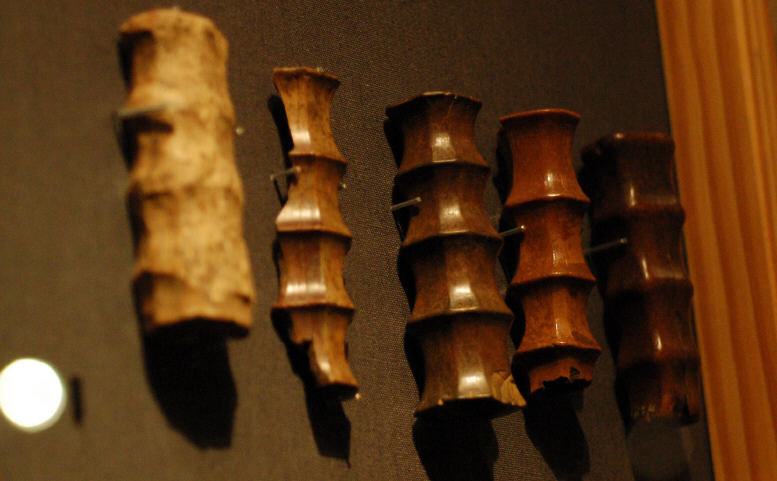
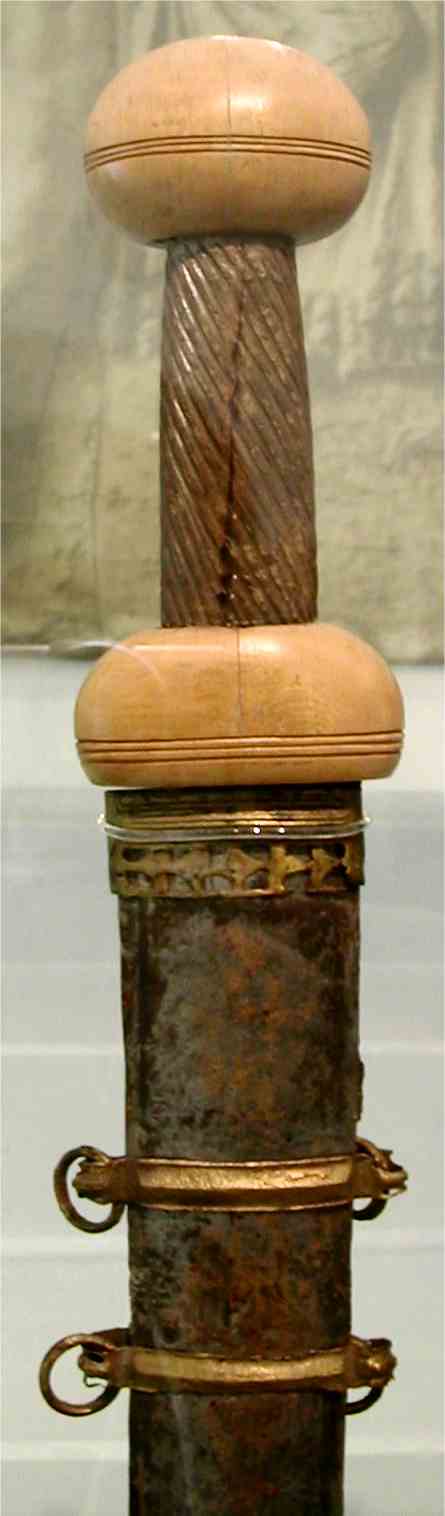
Several Sword handles made of bone, possibly also wood (London
Museum
and British Museum London, UK)
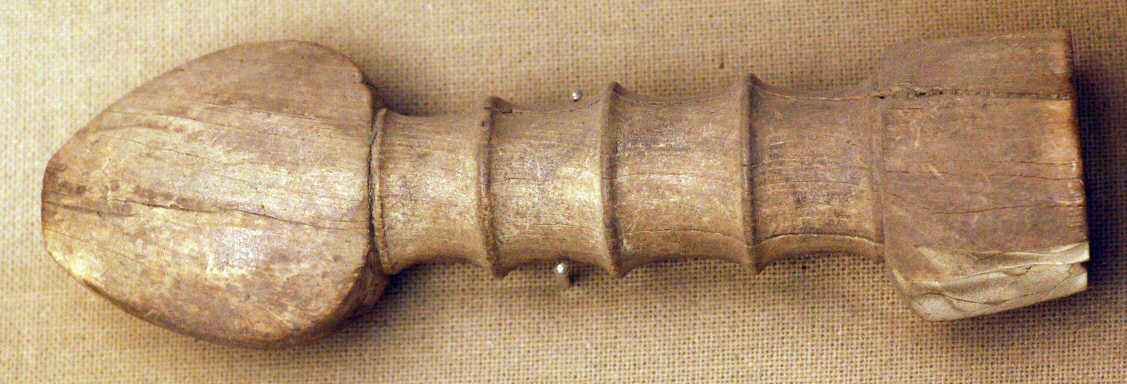
Vindonissa Museum, CH
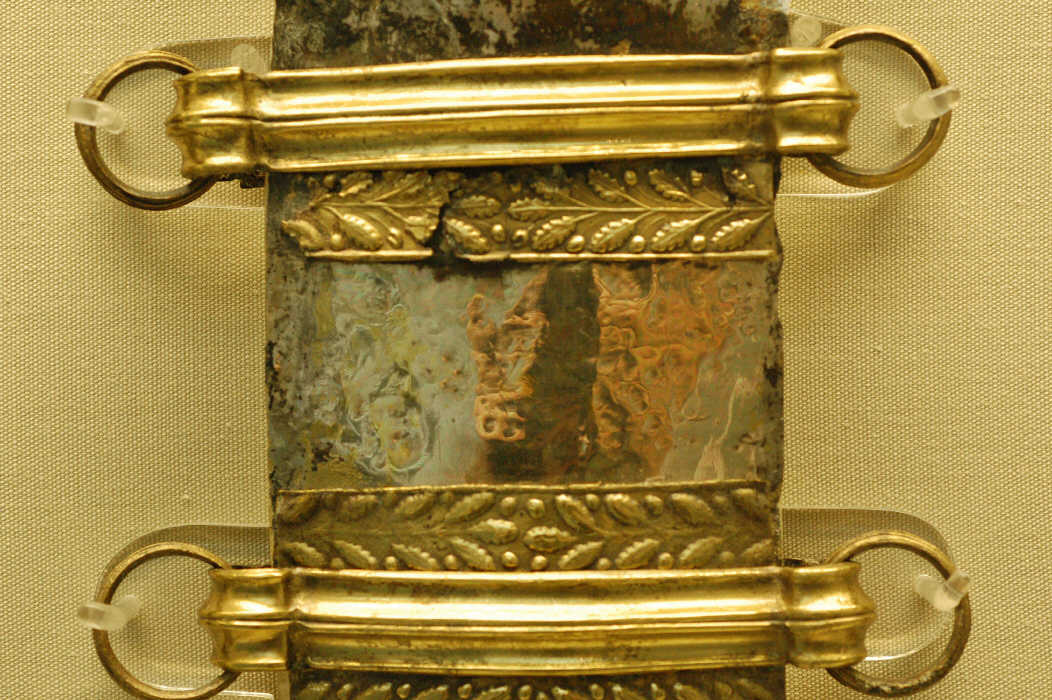
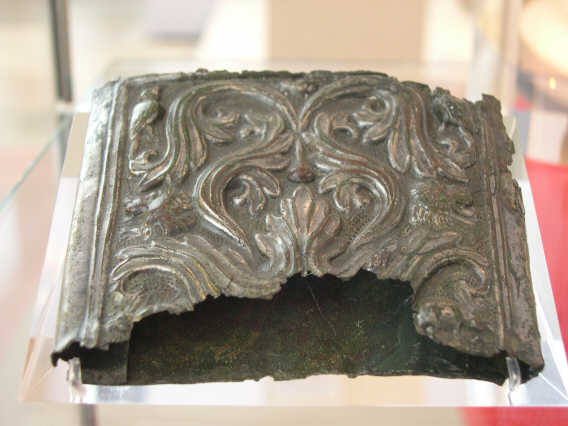
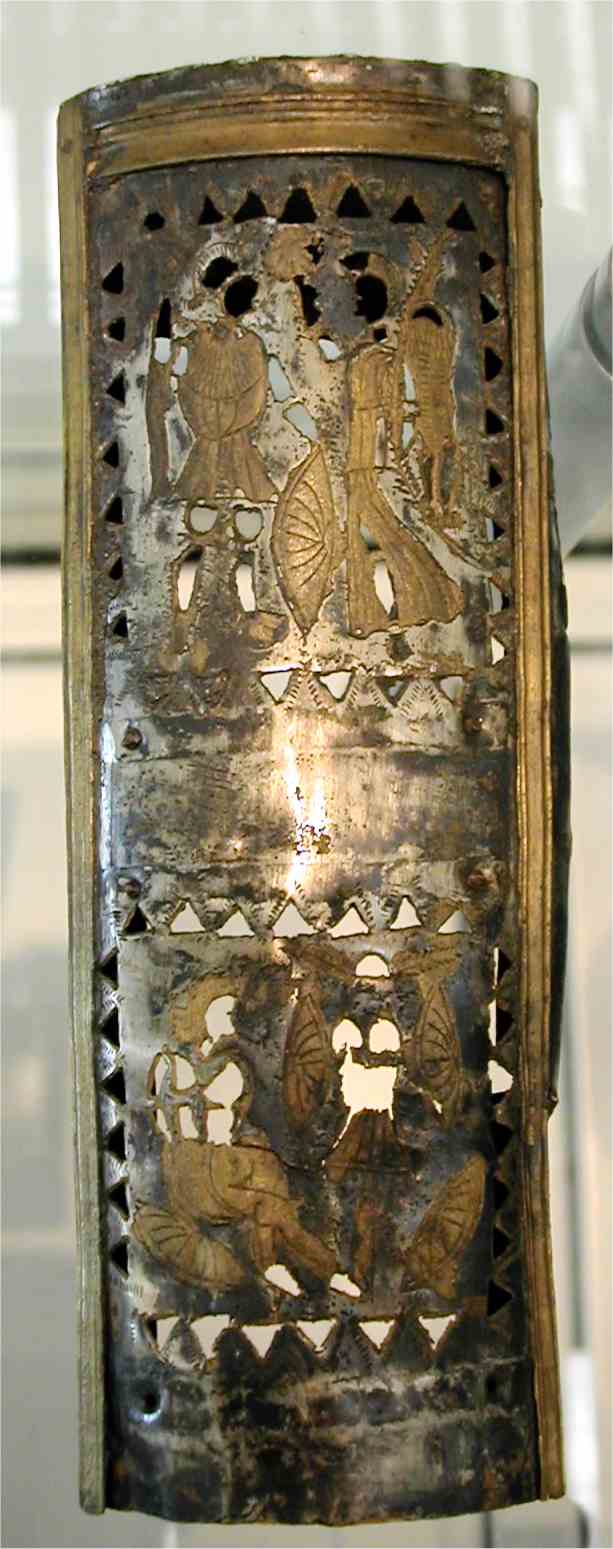
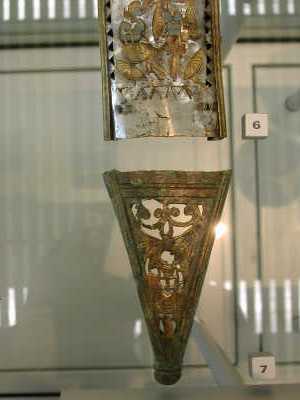
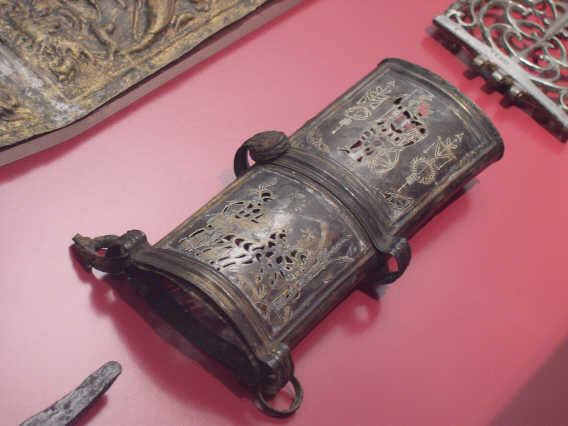
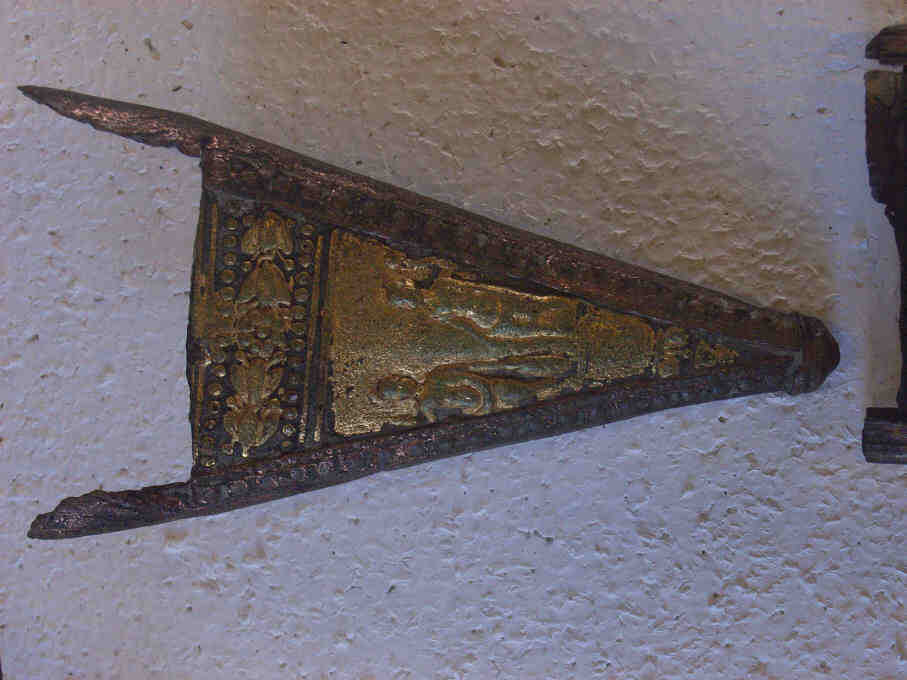
Scabbard decoration for the Gladius Hispanensis, Leiden
Museum, NL
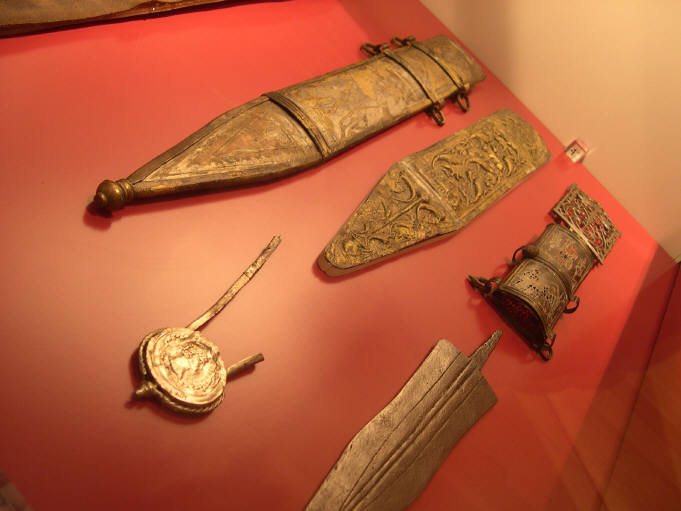
Scabbard decorations from Vindonissa, CH
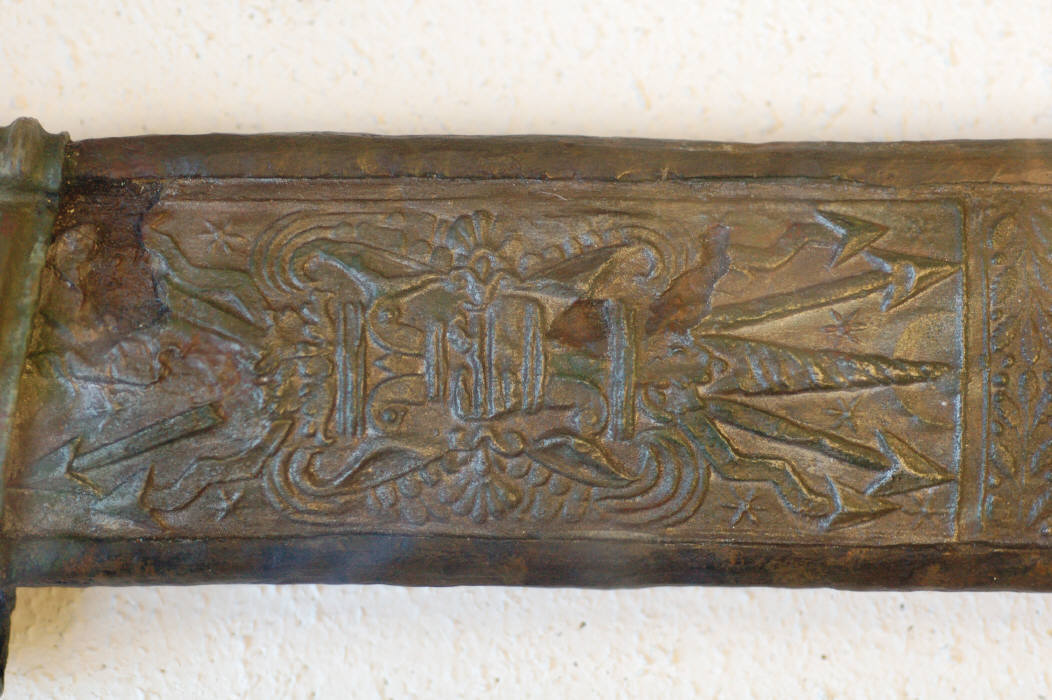
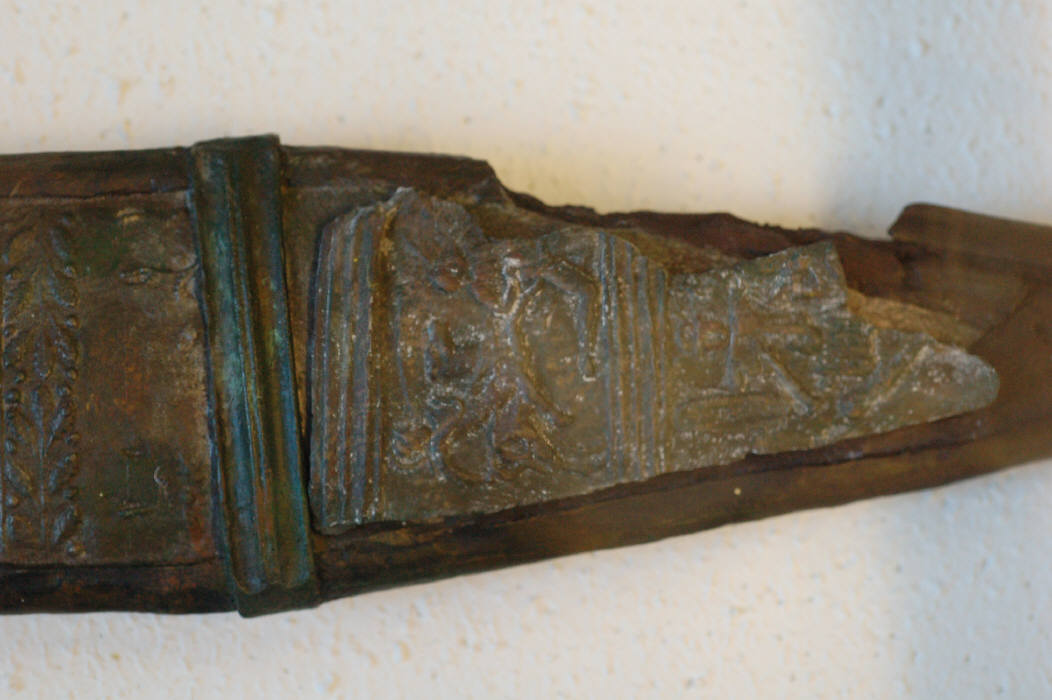
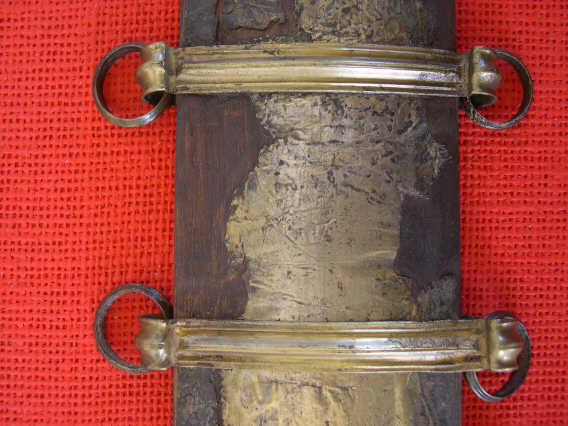
Scabbard decoration for a Mainz Type Gladius (Bonn
Landesmuseum)
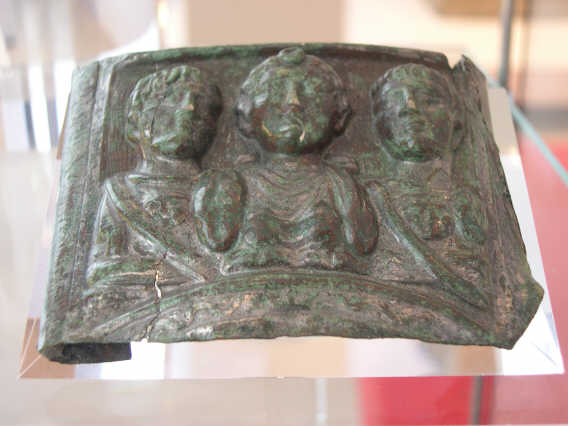
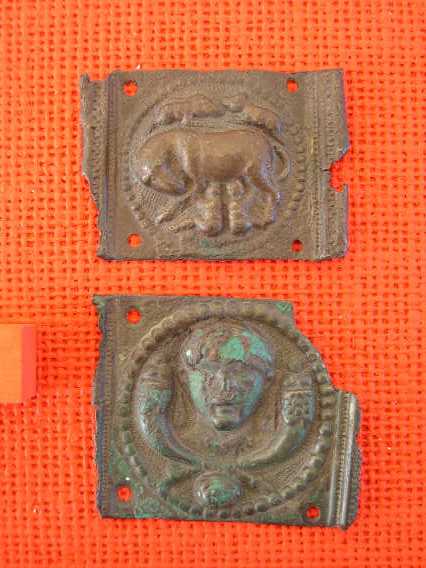 RGZM Mainz
 Landesmuseum Bonn
 RGZM Mainz
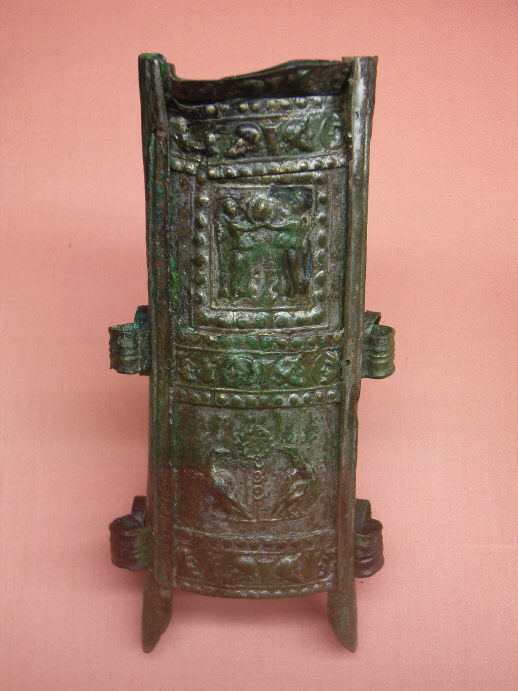
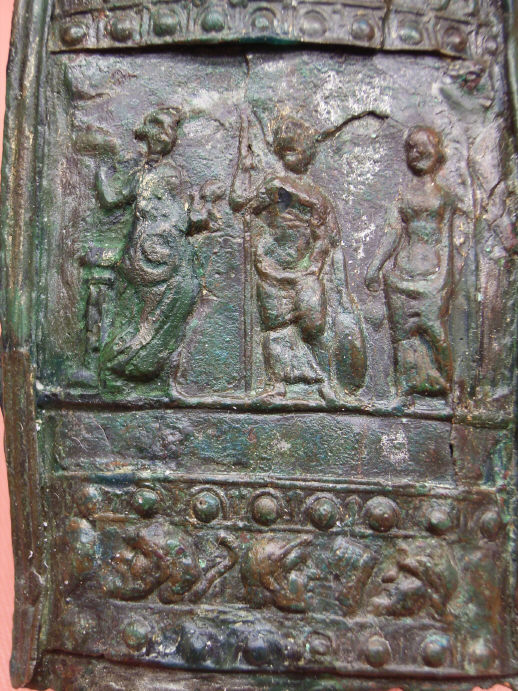
Scabbard decoration. Currently on display at Museum
Carnuntinum ( Austria,
Bad Deutsch-Altenburg), Private Collection,
Published: Exhibition catalogue "Legionsadler und Druidenstab, F.
Humer,
2006," ISBN 3854602294"
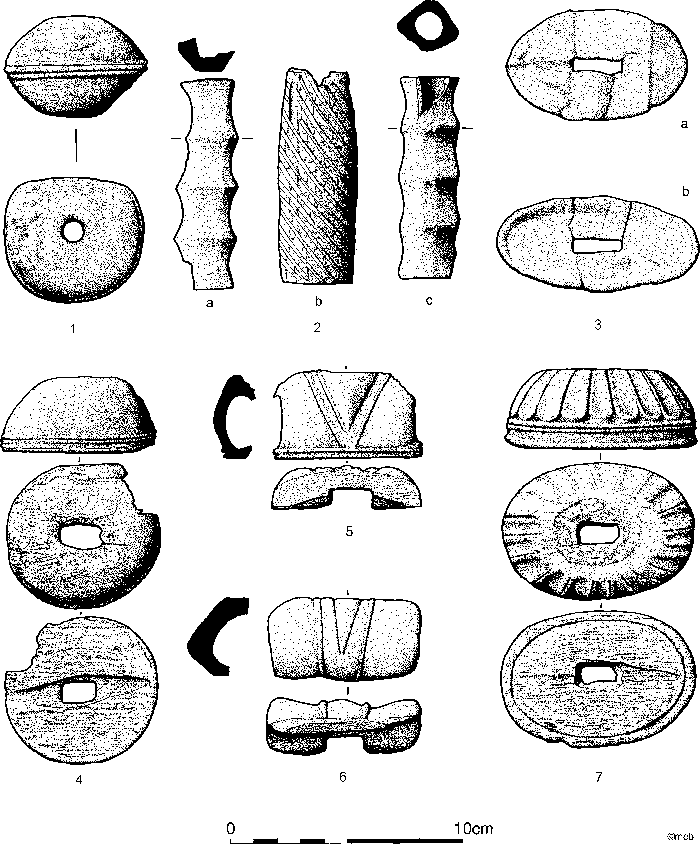
Gladius blades from the Republic to the early Principate. Left of line Hispaniensis type, right of line Pompeianus Type; Below sheath decorations and sword handles
Drawings from Roman Military
Equipment by Bishop &
Coulston, Edition 2, 2006 © M.C. Bishop

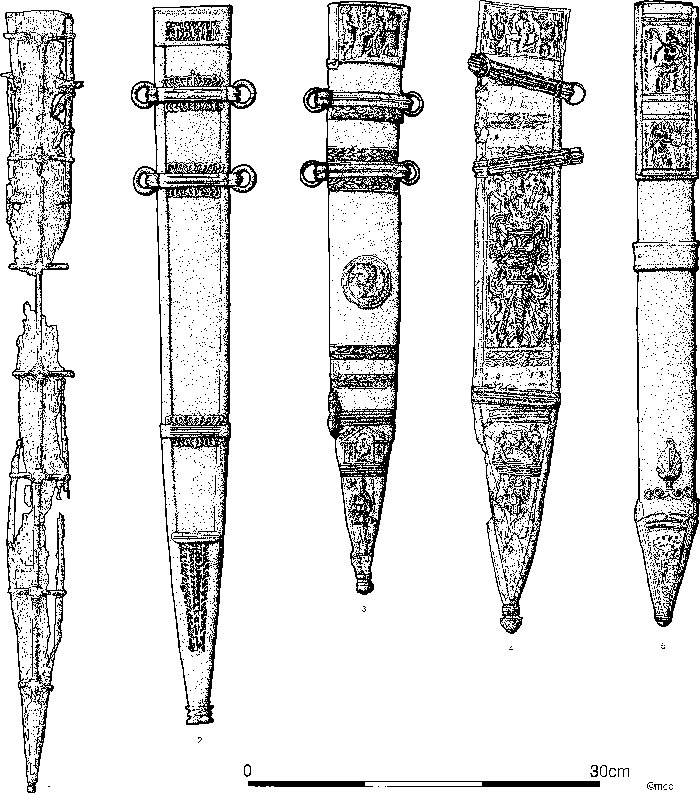
Left: Gladius pompeianus
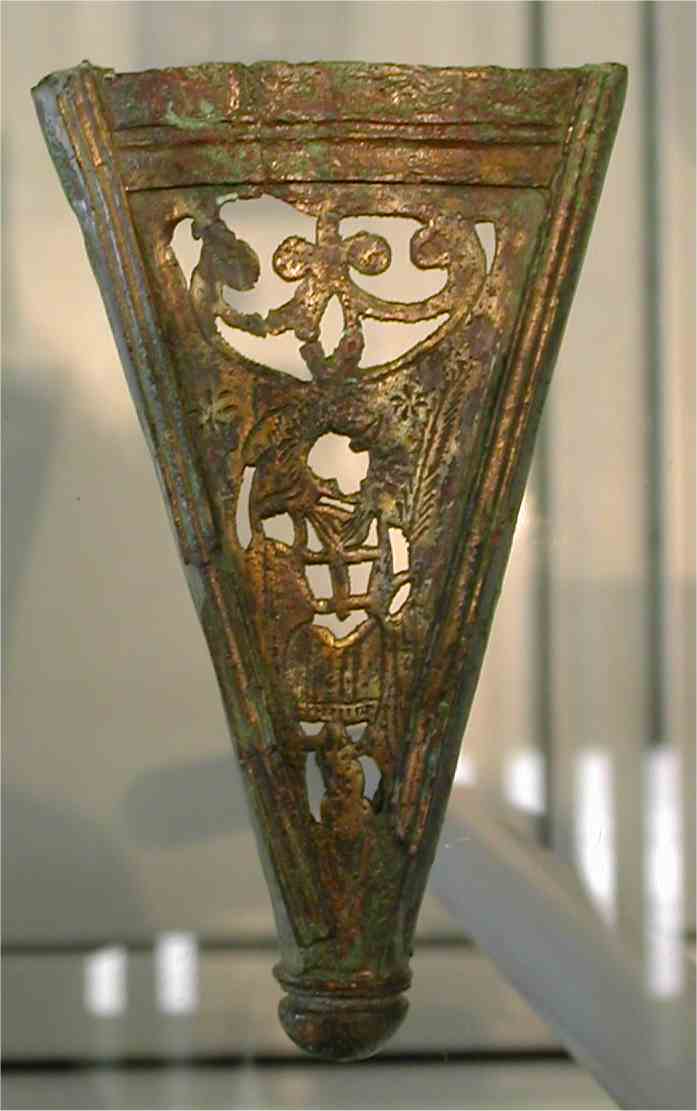
scabbard / sheath decoration
in tinned bronze, middle a pompeianus chape
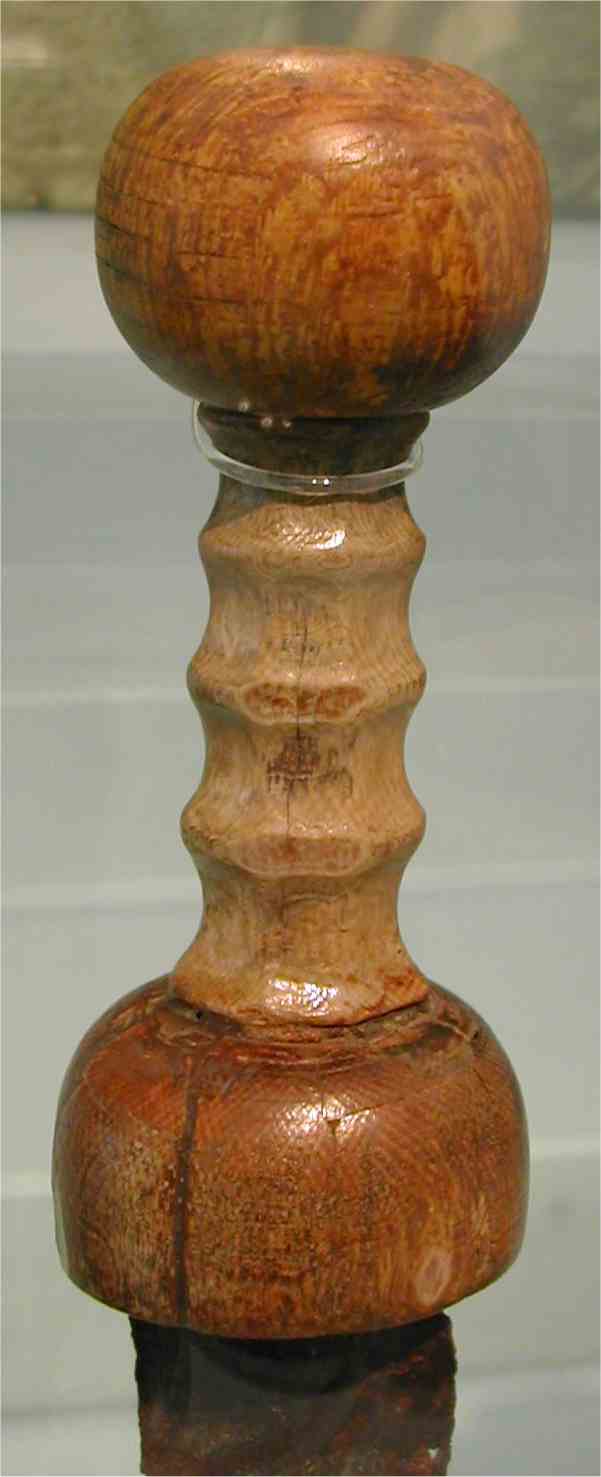
Right: Gladius handle in bone and hard wood
 Nijmegen
Leiden
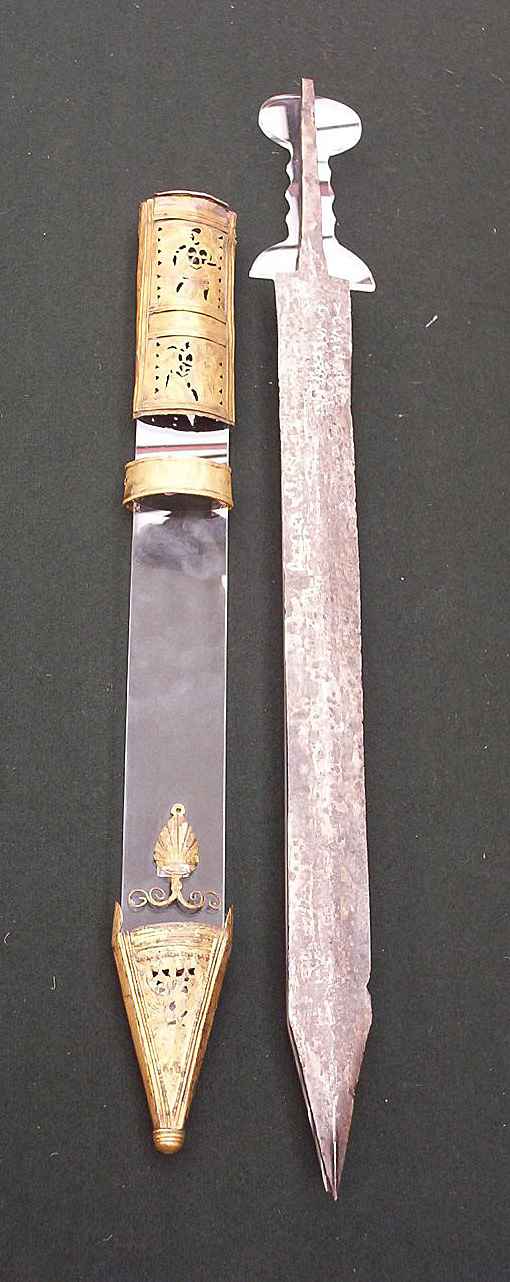
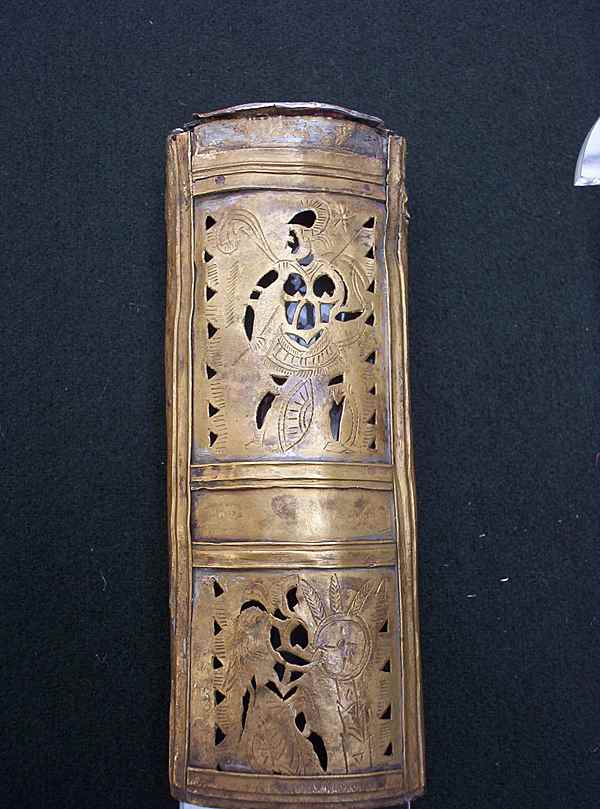
Type Pompeius Gladius from the Guttmann collection
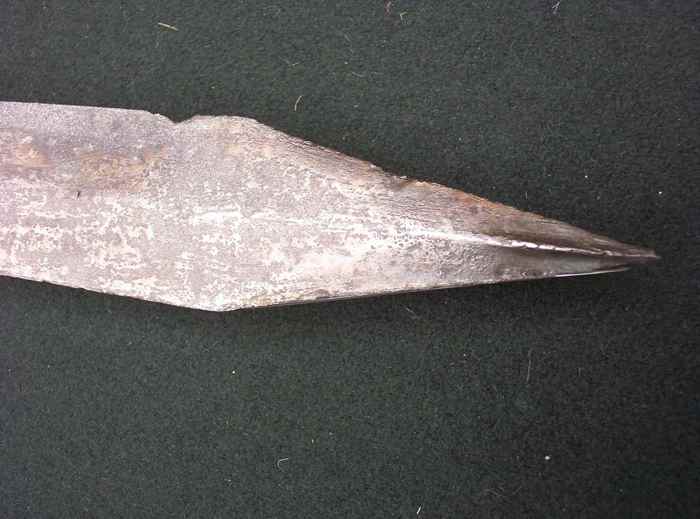
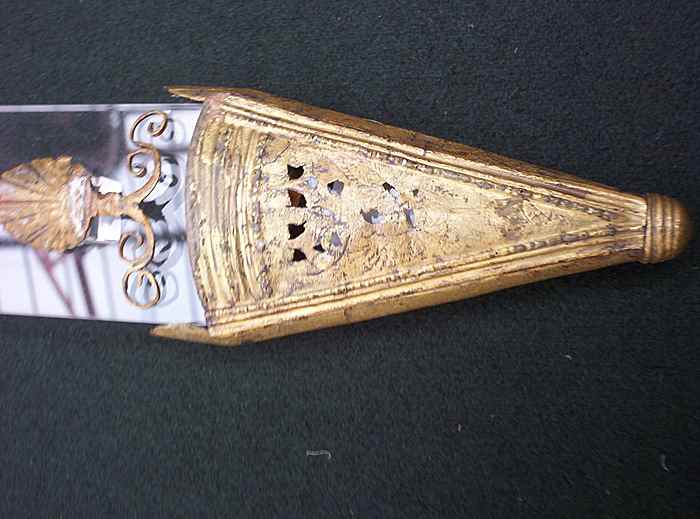
Images
courtesy David S. Michaels
/ Julian Dendy, Legio VI VPF USA and Legio XIIII R.M.R.S. UK
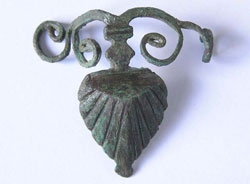 decoration from a Gladius
pompeianus scabbard
decoration from a Gladius
pompeianus scabbard
2 chapes, Vindonissa Museum, CH
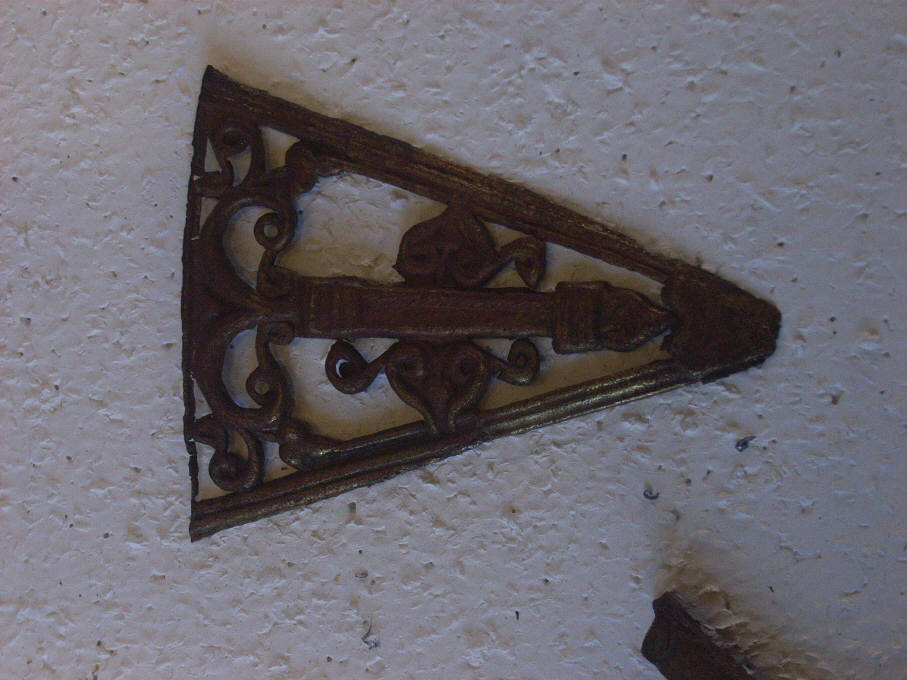
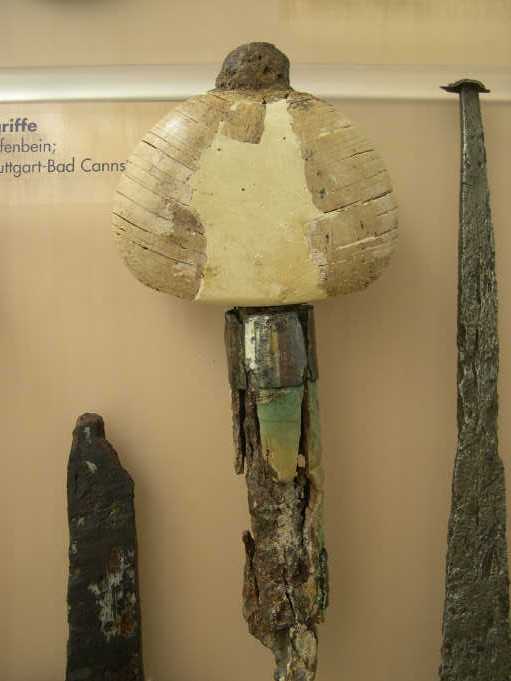
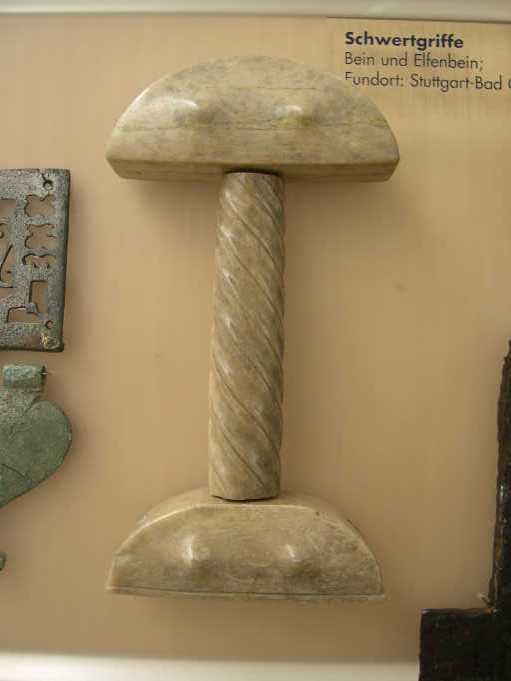
Sword handles, Aalen Museum
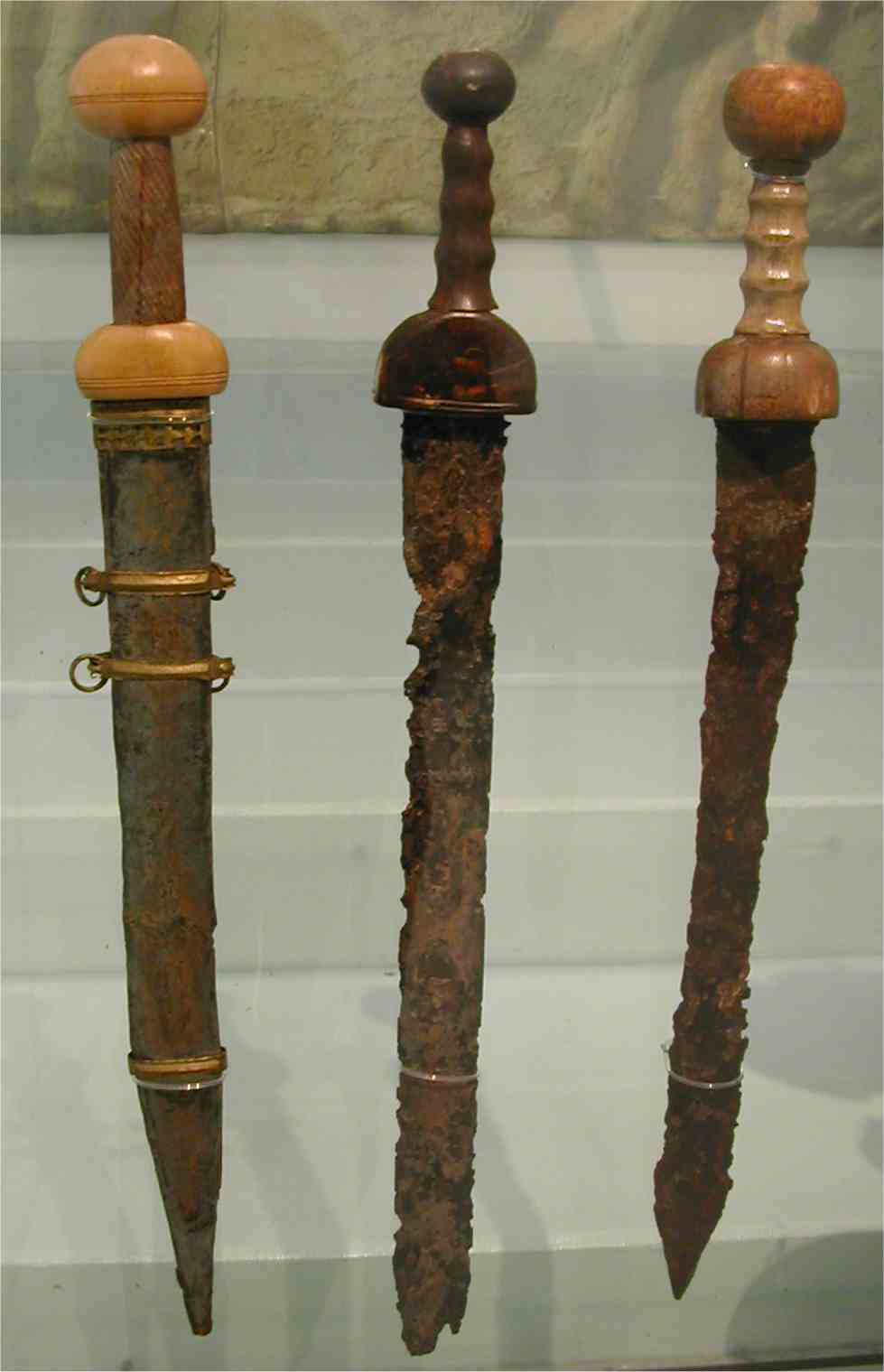
Below several early swords from the Nijmegen museum, NL,
showing the
handles made of bone/ivory and hardwoord
Augsburg Museum, gladius Pompeianus with various spear/lance
war heads,
incl. a pilum head
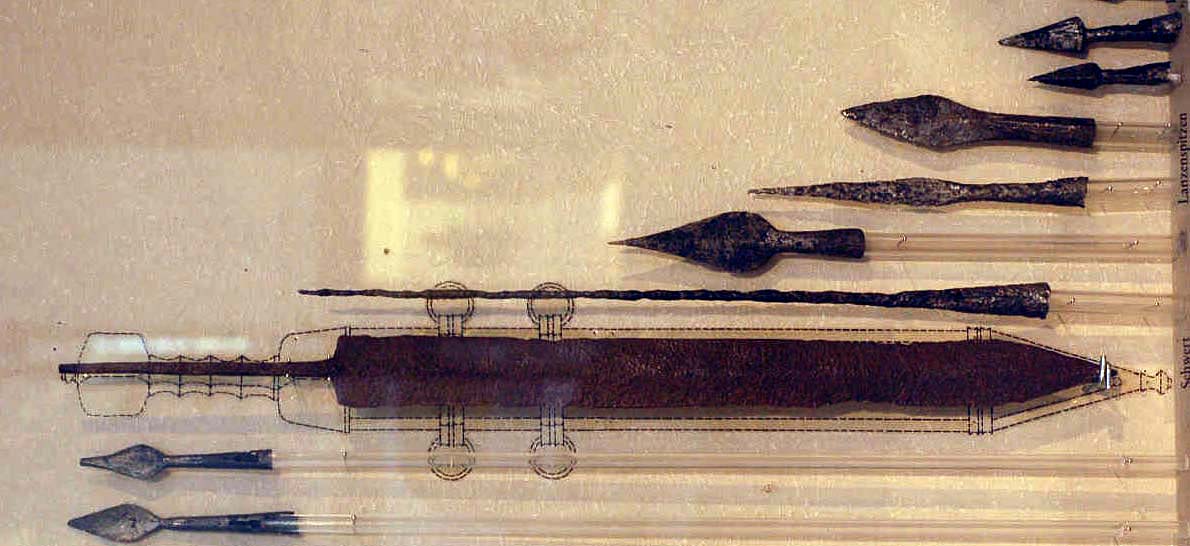
Gladius Pompeianus Blade

image Herrmann Historica Auction 154, 2008
The Spatha (and other late Roman Swords)
The Roman cavalry used a much longer sword, the so called spatha. Towards end of the second century that spatha gradually replaced the short sword also for the infantry. Lengths 75 cms and longer. The shape of the blade is not easy to distinguish from the Germanic swords of the period. With two exceptions: The first century spatha looking like a longer galdius Pompeianus and the later thrid century spatha type Lauriacum-Hromowka:
Early Spatha, first century:

image Herrmann Historica Auction 154, 2008
Spatha type Lauriacum-Hromowka:
Here a spatha that resembles the Pompeianus type gladius in
its parallel
cutting edges and triangular point, but is considerably longer,
broader,
and shows multiple grooves. This type is called the Lauriacum-Hromowka
type and dates from the late third century AD

Later Roman Sword blades
are shown in the graph below, ca. 3rd century AD. Especially the spatha
types 6 and 7 from below graph are difficult to distinguish from
contemporary
Germanic sword blades, and seem to have been used by both cavalary and
infantry. The days of the close combat in well organized ranks that
suited
so well for the "point" attack gladius hispanensis and pompeianus were
clearly gone by then.
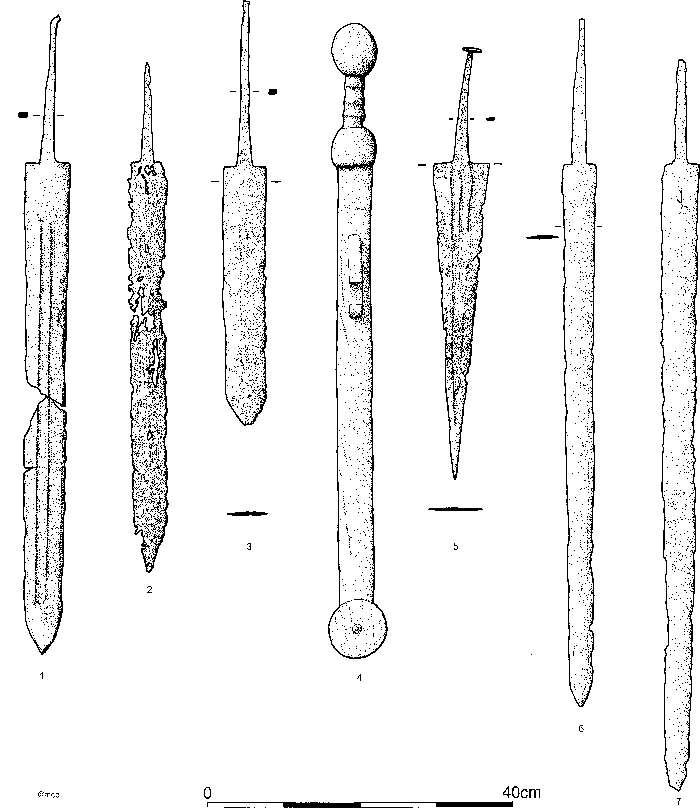
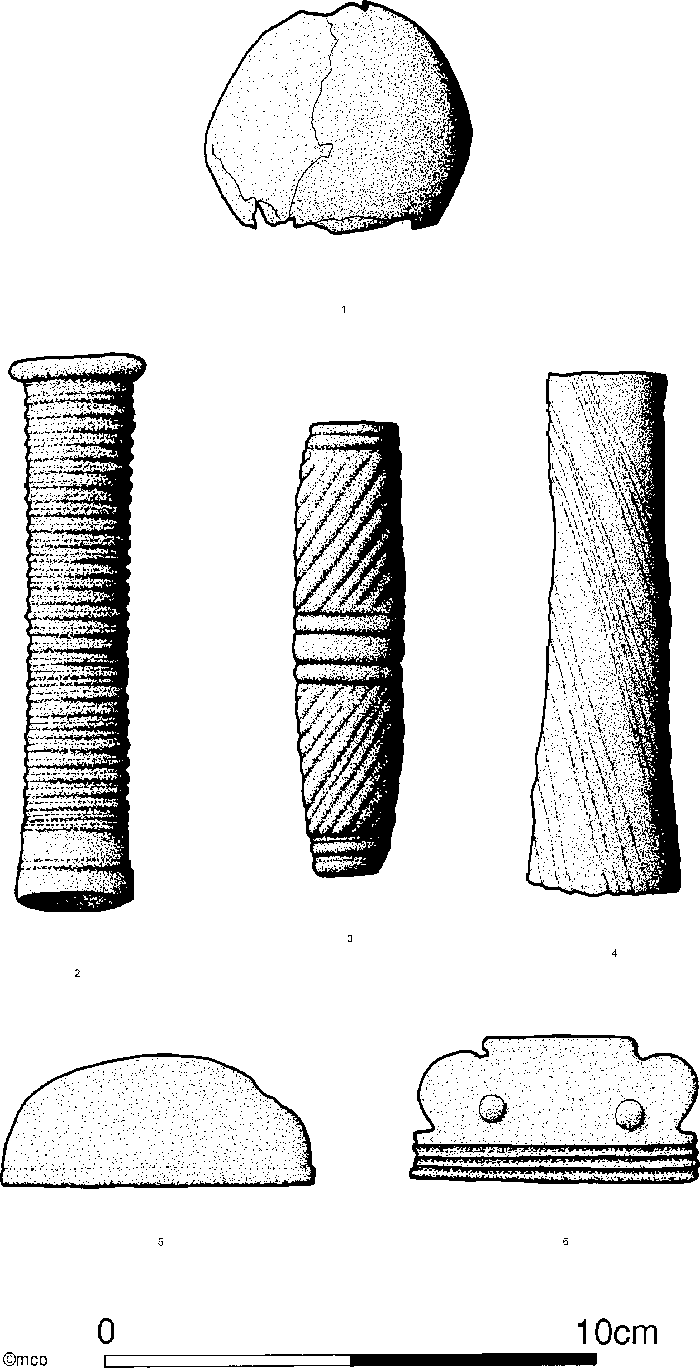
Drawings from Roman Military Equipment by
Bishop &
Coulston, Edition 2, 2006 © M.C. Bishop
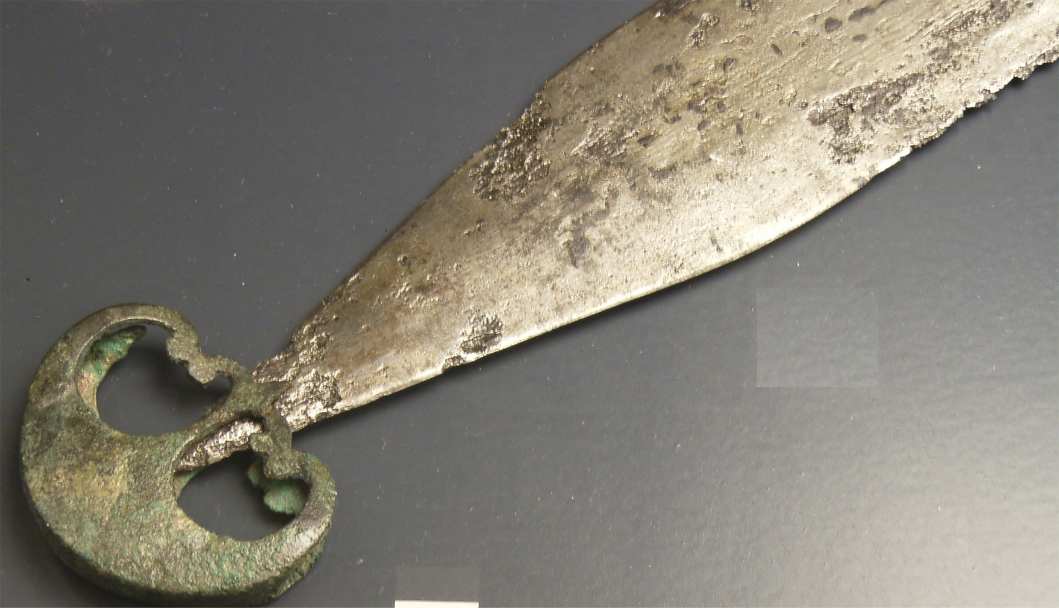
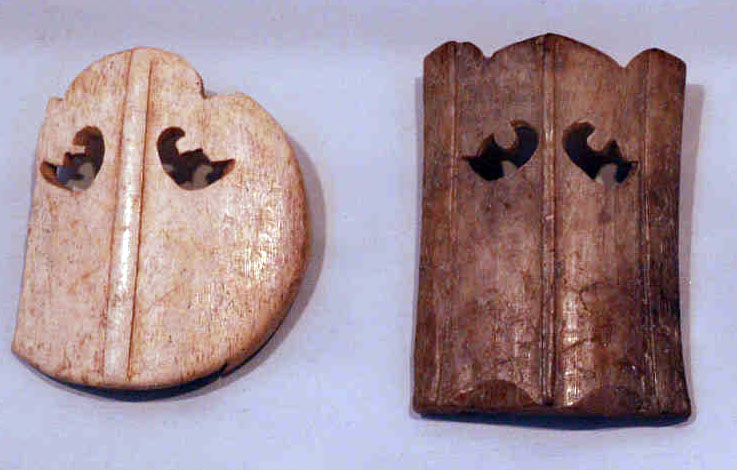
Typical chape in pelta form in bronze to the left; Chapes made of bone
to the left, Augsburg Museum
see also the relevant pages on Cingulum and Balteus
Lugdunum Burial, shwoing sword belt (balteus) and baldric
decorations
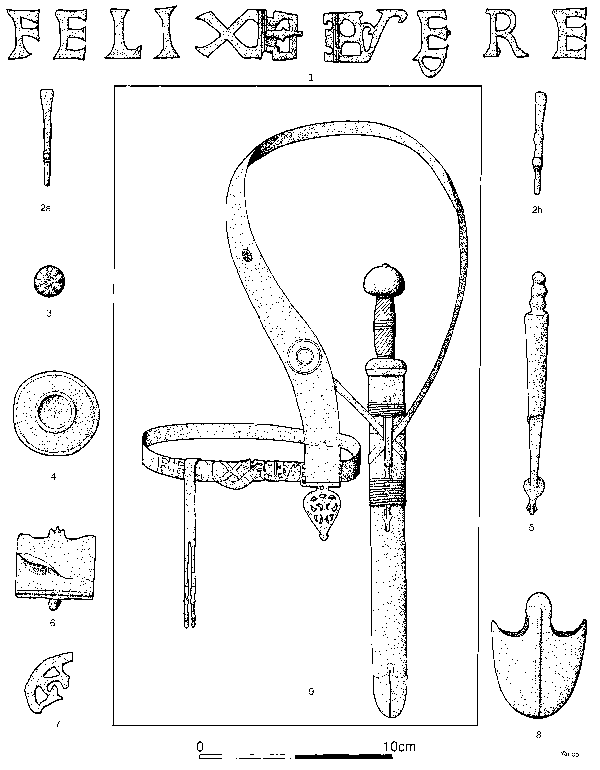
Drawings from Roman Military Equipment by
Bishop &
Coulston, Edition 2, 2006 © M.C. Bishop
Balteus Decoration for a 3rd century sword belt, Numerum
Omnium type.
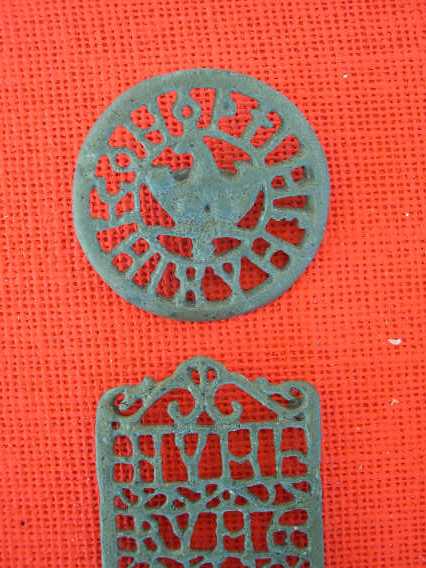
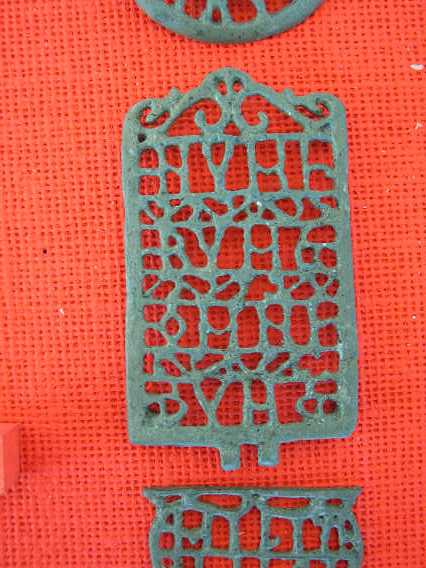
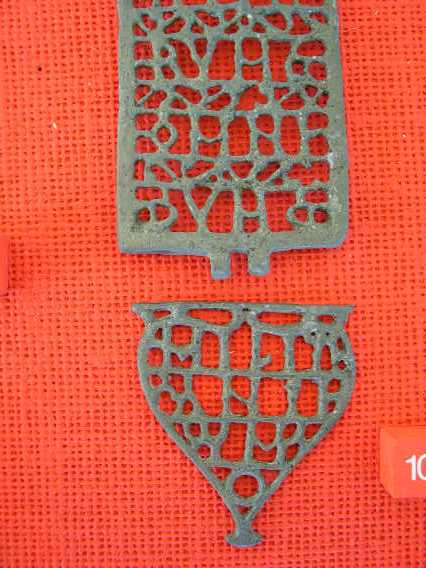
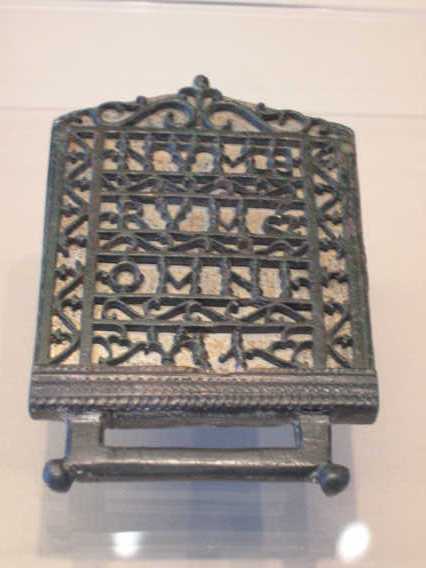
red background is RGZM Mainz, white background is Landesmuseum Bonn
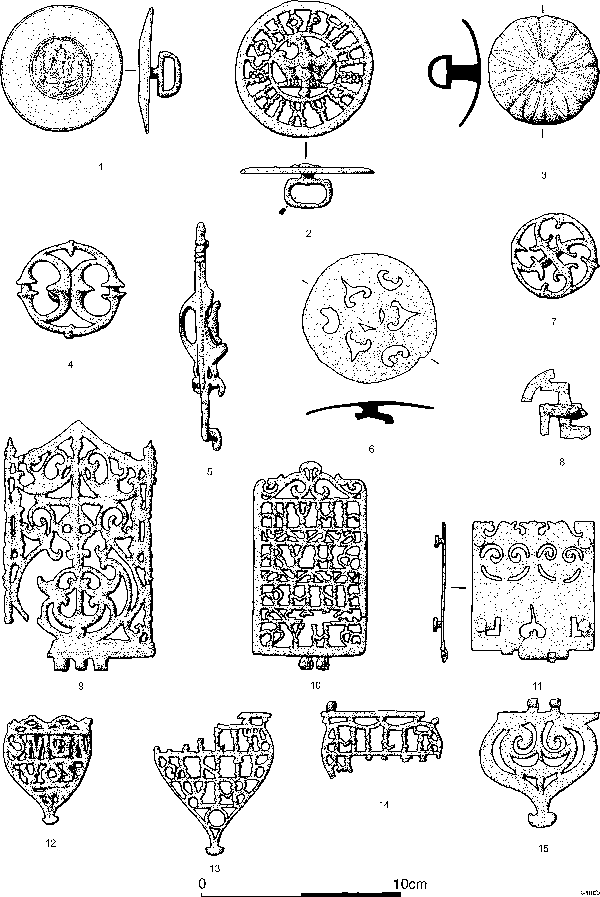 Typical 3rd century balteus fittings
Drawings from Roman Military Equipment by
Bishop &
Coulston, Edition 2, 2006 © M.C. Bishop
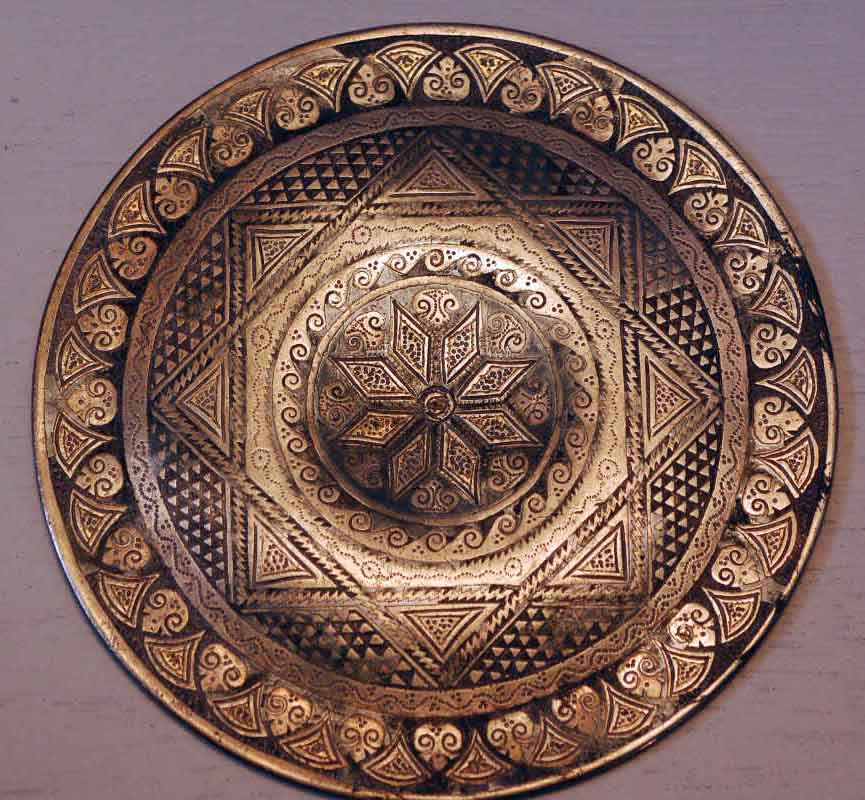
Augsburg Museum, a round silver disk with niello decorations,
possibly
from a round disk shaped chape, actual size ca. 10 cms
Beautiful Scabbard decoration in guilded silver, 3-4th century
AD
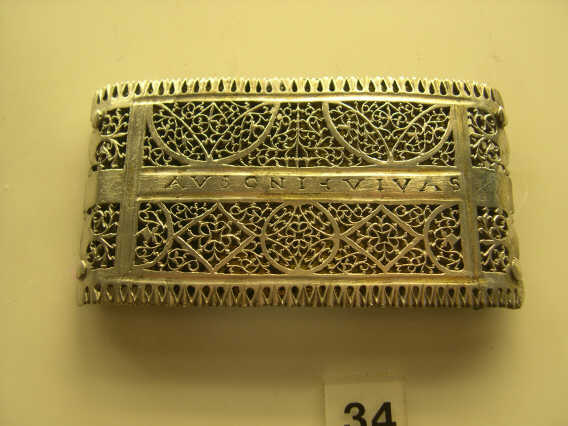 RG Museum, Köln
Related Sections of the Roman Numismatic Gallery:
The Location of Roman Legions from Caesar to ca. 300 AD is summarized in a table.
Countermarks of roman legions on coins are shown in the Legionary Countermark section.
Coins making reference to roman legions are to be found in the Legionary Coin section.
Wars and Victories on Roman coins.